Posts

Are IVF Babies Normal and Healthy?

Image
  Are   IVF babies healthy? is one of the most frequently asked questions by couples considering IVF treatment, or Do IVF children have weakened immune systems? However, scientific research is the foundation of reality. So, in this article, you will learn whether or not IVF babies are healthier or face health complications so that you can make an informed decision about whether or not to undergo IVF treatment.   Are IVF children healthy? Yes, IVF babies are just as healthy as naturally conceived babies. This means they are not at risk of harming their health in the short or long term. This is because the procedure is safe; however, IVF babies differ only in how they were conceived, which is through the use of fertility drugs rather than sexual intercourse.   To be honest, the risk of a child having any abnormalities is 3-4 percent in the general population, and recent estimates suggest that the risk increases by only 1% in a baby born through IVF treatme...

The Men's Fertility Guide!

Image
Men are perceived as being less honest about their infertility issues. Contrary to women, men tend to keep their problems to themselves and avoid talking about them with friends and family or even seeking advice from a doctor, but it is crucial to acknowledge the issue and come up with solutions. They must comprehend that there are other factors besides "wearing tight jeans" that may contribute to their inability to contribute to the family.                                             According to IVF Delhi , Women are born with all the eggs they will ever have, whereas men produce sperm throughout their lifetime. In addition to producing testosterone, the testes are where sperm are made. The entire sperm production and maturation procedure take three months to complete. ...

What to know about having a baby after the age of 35?

Image
Trying to conceive after the age of 35? Here are some things you should know about your chances and when you should seek help if you're having trouble conceiving. Many women are choosing to postpone having children. Whether you're making this decision for financial, medical, or career reasons, it's critical that you understand the consequences of having a baby after the age of 35. Here, we'll look at some of the most important factors first-time mothers should consider when having a baby after the age of 35, both in terms of getting pregnant and having a healthy pregnancy. In the future, consult with a fertility specialist about your fertility journey.   1.   Chances of conceiving as we get older The single most important factor that can affect your chances of conceiving is a woman's age. Conceiving a child after the age of 35 may take longer. This is because egg quality begins to decline as women age. Some women with pre-existing gynecological conditions th...

Seeing an infertility specialist does not obligate you to undergo IVF!

Image
Infertility is a relatively common condition that affects one out of every six couples. Despite this, it is still considered a taboo subject. It has an emotional, financial, and social impact on the couple. They avoid meeting new people because "children" will come up in conversation. Everyone you meet is eager to offer suggestions. One of them is visiting an infertility clinic. Many couples panic when the phrase " IVF Doctor in Delhi " is mentioned.                            They believe it isn't such a big deal "yet" that they should see our infertility specialist. It's the last option! Why should they undergo IVF treatment in Delhi ? They will try for a few more years to get pregnant naturally, but are a few more years worth it?   Evaluation and Treatment of Infertility 85% of couples conceive within the first year of having regular sex, an...

Is Postponing Parenthood Affecting My Chances of Getting Pregnant?

Image
  Many people no longer believe they must be in a rush to have children at a young age because of the scientific advancements that have been made. More so when they are more focused on locating the ideal partner, advancing their education, advancing their careers, and establishing a strong financial foundation before accepting parental responsibility. But are there risks involved in delaying childbirth for longer? As per IVF Delhi , This is especially true for women who are frequently reminded that their biological clock is running out. What steps can a woman take to lessen these risks? What you should know about waiting longer to get pregnant and potential workarounds are covered in this blog.   Age and Pregnancy When it comes to having children, women have a limited window. As long as they are menstruating, they are technically capable of becoming pregnant. That spans the time before menopause and the beginning of puberty. The typical age range for this is 12 to 51...

Four dietary tips to consider when trying to conceive!

Image
Especially women who are having difficulty conceiving. They feel so powerless in their quest to conceive that some simple dietary suggestions are often welcome.                      Fortunately, dietary advice is not as restrictive when trying to conceive as it is when pregnant. The important thing to remember is that this should be a time when you focus on foods that help you feel your best and are aware that you can easily take steps to improve your health when trying to create new life.   Here are my top four nutrition tips to help you stock up on essential nutrients to prepare your body for pregnancy. You'll notice that they're simple to incorporate into your daily routine.   1.   Replace refined carbohydrates with whole grains: Swapping refined carbohydrates for monounsaturated and polyunsaturated fats helps to reduce inflammation, which has been linked to an increase in fertility. You don't have to g...

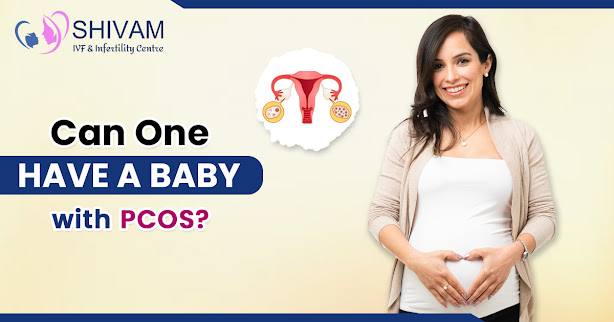
Can one have a baby with PCOS?

Image
  The majority of women want and expect to have children. On the other hand, women with chronic health conditions, such as polycystic ovary syndrome (PCOS), frequently have concerns about motherhood, including whether or not they can become pregnant.                          PCOS is a complex hormonal condition that affects up to one in every five reproductive-age women. Most women with PCOS have elevated levels of luteinizing hormone, which causes ovulation, and decreased levels of follicle-stimulating hormone, which is necessary for pubertal development and the function of both women's ovaries and men's testes. Women with PCOS also have a lack of estrogen ("female" hormones) and an excess of androgens ("male" hormones). This results in tiny cysts on the ovaries' surface. Women with PCOS frequently have irregular menstrual cycles because they do not ovulate or ovulate only infrequently as a result of these horm...